
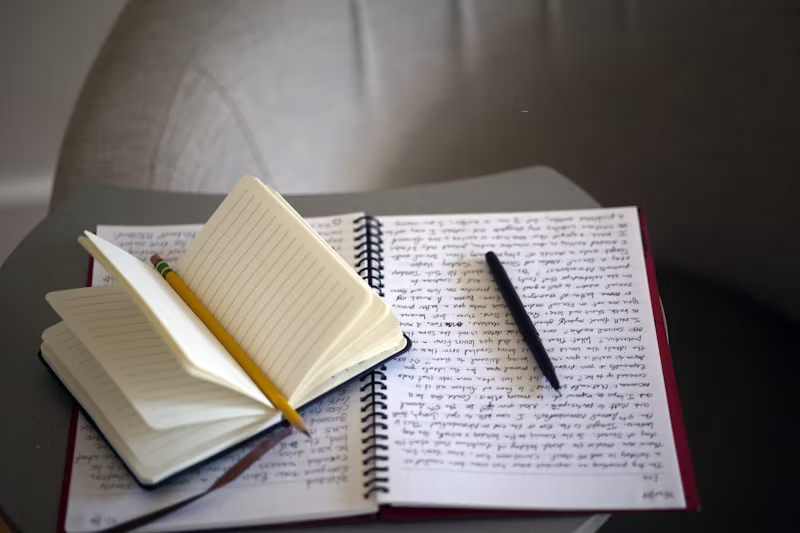
Having the best book editor in New York could be what separates a decent manuscript from a bestseller. Editing isn’t about fixing grammatical mistakes. It's refining for clarity, making your voice ring out.
Whether you are publishing with a Novella Publisher or self-publishing, the proper editor can save you time and enable you to produce a book people will enjoy. But how do you even know who is the right editor for you?
Let’s break down what to look for and what to ask.
Where to Begin Looking for a Book Editor in New York
It's easy to find an editor. You Google it, read reviews, and send out invites. But there is more to it. It does take research and patience. That’s how you can begin smart.
Find Industry Experience
Always begin by checking an editor's background. Have they worked on books in your genre? For example, if you're writing a thriller, someone who usually edits poetry might not be the right fit. Ask for samples of past work. A professional editor should be comfortable sharing examples or references.
Experience is important because fiction, nonfiction, and memoirs are edited differently. Editors who have experience working for a Novella Publisher or organization will be familiar with publishing trends and what readers expect.
Know the Types of Editing
Not everything is editing. There are two broad categories: developmental editing and copy editing.
A developmental editor considers the plot structure and the character development, and a copy editor concerns grammar, punctuation, and consistency. Knowing what you need saves confusion later.
You can question prospective editors about how they work. Do they developmental and copy edit, or are they a developmental editor or a copy editor? Clear responses will assist you in fitting your requirements with what they do.
Assess Sample Edits
Before you sign on, always ask for a sample edit. Most editors will edit the first few pages free or for a token payment. This will allow you to get a sense of their style and focus. It also demonstrates how they work with your voice. If they alter things that change what drives your tone or message, that is a red flag.
You need someone to improve your writing, not change your writing. A professional editor is aware of the thin line between fix and keep.
What to Ask Before You Hire an Editor
Communication is essential when hiring an editor. Getting the right questions at the beginning avoids surprises later.
Below are a few to begin with.
Ask About Turnaround Time
Deadlines are crucial, particularly if you’re planning a publishing deadline. Always inquire about how long the editor takes for each round of revisions. Ensure that their timeline is acceptable to both of you. Some editors may work on multiple projects simultaneously, which dictates their turnaround.
You can also inquire about whether they have a revision schedule. Having this information ahead of time enables you to prepare accordingly.
Discuss Payment Terms
Editing does not come cheap. You’ll pay more or less depending on experience and whether you’re hiring a copy editor, a development editor, or a proofreader.
Some charge by the word, while others charge an hourly rate or flat fee. Always request a written estimate. Ask what’s included in the package, e.g., one round of revisions or two?
Transparency is important. A quality editor will inform you of everything up front before they get started.
Describe Communication Style
You’ll probably ping-pong back and forth on edits throughout the editing process. Ensure the editor writes in an acceptable style for you. Some prefer email summaries, some prefer tracked changes with comments. Determine the format early.
Good communication eliminates misinterpretation and establishes trust. A listening editor who is attentive to your objectives will assist you in producing a better final product.
Where to Find Qualified Editors
There is no need to be daunted by seeking an experienced editor. You only need to know where to locate them.
Look for Recommendations
Seek advice from authors, writing communities, or forums. New York authors have experienced a lot and can refer you to editors who are good. You can also utilize organizations such as the Editorial Freelancers Association (EFA). They have experts who work on various genres.
Research Publishing Sites
If you're working with a Novella Publisher, they often have a network of trusted editors. Using their in-house team can be a good option because they understand the publishing process from start to finish. These editors already know what the publisher expects and what readers want.
Check Portfolios and Testimonials
A portfolio will tell you a lot about the quality of an editor’s work. Check for feedback from previous clients. See what they have to say about communication and dependability. If an editor always has excellent feedback, then it’s likely they are a safe bet.
How to Build a Productive Relationship with Your Editor
Having identified your editor, it’s time to build a good work relationship. This is as crucial as the actual editing work.
Be Open to Feedback
Even the best writers need editing. A great editor won’t even fix mistakes. They’ll point out what could make your book great. Be open to listening. Remember that feedback is meant to make your book better, not to pick holes in your writing.
Establish Clear Expectations
Specificity is the name of the game from tone to deadlines. Let them know precisely what you want. Detail your idea of the book, target audience, and any particular tastes. The more precise, the better.
Check Changes Carefully
When you get your edited manuscript, read every note carefully. Don’t rush. If you don’t understand something, ask them. This process is what turns your book into its best form.
Avoidable Mistakes to Steer Clear Of When Selecting an Editor
Finding talent is not what selecting an editor is solely about. It's also about not making costly and time-wasting errors. Here’s what not to do before signing on the dotted line.
Failure to Check for Compatibility
Even when you’ve got an experienced editor, it doesn’t necessarily mean they are for you. Compatibility is everything. Your editor should get your writing voice and honor your tone. If you like a conversational tone but your editor continues to formalize it, what you will have there will not sound real. Always request a brief sample edit before committing. It provides both parties with clarity and confidence.
Leaving Out the Contract
A signed contract is excessive, but it helps you and the editor. The contract should detail services, pay, timelines, and rounds of revisions. Without one, tiny misunderstandings turn into delays or conflicts. Never ever depend on oral agreements. Defining terms ahead of time keeps the process economical and professional.
FAQs
1: How much does a professional book editor in New York charge?
Fees depend on experience as well as the type of editing you require. Generally speaking, you can pay between $0.02 and $0.06 per word for professional work.
2: Should I hire an editor before or after I submit to a publisher?
It is recommended that you hire an editor prior to submitting. A refined manuscript gives you the chance of being picked up by publishers such as Novella Publisher.
3: Can I hire an editor online if they are not in New York?
Yes, most editors work online. It's their experience and familiarity with your genre, not their location, that is important.
Conclusion
Finding the right book editor in New York is about understanding your needs and choosing someone who respects your voice. Whether you're publishing through a Novella Publisher or independently, the right editor can transform your manuscript into a polished and professional book. Look for experience, clarity in communication, and an editing style that fits your writing. With patience and the right partnership, your book will be ready for readers and the publishing world.
Wanna build something similar?
Various versions have evolved over the years, sometimes by accident, sometimes on purpose.
Get in touch with us