
FROM SCATTERED MEMORIES TO STREAMING SUCCESS: 'BETWEEN WORLDS' LANDS A SERIES DEAL IN 14 MONTHS.
FROM SCATTERED MEMORIES TO STREAMING SUCCESS: 'BETWEEN WORLDS' LANDS A SERIES DEAL IN 14 MONTHS.
Between Worlds tells the deeply moving tale of three generations navigating life between cultures. Maria Santos, a social worker from San Diego, carried these family stories for years but had never put pen to paper. She possessed raw material, emotional truth, and vivid memories, yet lacked the technical skills to translate them into publishable form.
Maria’s connection with Novella Publishers began with a simple question: could her family history become something others might want to experience? She brought folders of photographs, recorded conversations with elderly relatives, and handwritten notes spanning decades. What she didn’t bring was a manuscript, an outline, or any formal writing background.
Three major obstacles stood in her path. First, turning fragmented memories into a cohesive narrative required professional ghostwriting expertise. Second, once that book existed, it needed conversion into an episodic television format. Third, navigating Hollywood’s feedback cycles and revision demands meant having experienced partners who understood both storytelling craft and business realities.
What followed was a fourteen-month collaboration that produced not just a finished book, but a six-episode limited series currently filming for a major streaming service. Maria’s personal history became entertainment ready for millions of viewers.
-
01
She possessed stories but no written pages. Creating an entire book from oral histories and personal recollections meant starting from absolute zero.
-
02
Her family narrative jumped across decades and continents. Weaving these threads into something linear and engaging presented significant structural complexity.
-
03
The material touched on immigration hardship and generational conflict. Any misstep in tone could either sanitize the truth or sensationalize genuine pain.
-
04
Television production remained a complete mystery to Maria. Understanding episode structure, act breaks, and how to respond to executive notes required education alongside execution.
Our Strategic
Execution
Novella Publishers designed a comprehensive approach spanning writing, conversion, and ongoing support.
WORK WITH USGHOSTWRITING PARTNERSHIP
Our writer spent twelve weeks in deep collaboration with Maria. Through recorded sessions, we captured her voice and her family’s unique speech patterns. We examined photo albums, immigration documents, and letters to ground fictional scenes in historical accuracy. The manuscript emerged through careful iteration, with Maria approving each chapter before we moved forward. This wasn’t dictation; it was genuine co-creation.
EPISODIC STRUCTURING
Television demands a different architecture than novels. Our screenwriting specialists analyzed the finished manuscript for natural climactic moments that could anchor episode endings. We redistributed plot points across six hours, ensuring each installment contained its own satisfying arc while contributing to the larger seasonal narrative. Flashback sequences were carefully placed to maximize emotional payoff without confusing viewers.
ADAPTIVE REVISION CYCLES
Pitching brought unexpected requests. One platform wanted younger characters emphasized; another questioned whether six episodes was the right length. Our team responded with fresh script versions addressing each concern. We participated in phone conferences with development executives, translated their notes into actionable changes, and delivered updated materials on tight deadlines. Maria stayed informed but wasn’t overwhelmed by technical demands.
TIMELINE OF EXECUTION
Every milestone was strategically planned and executed week by week with precision to ensure maximum market impact.
Research and interview intensive. Our ghostwriter recorded Maria’s oral histories while investigating historical contexts and verifying factual details through documentation.
Manuscript composition phase. Chapters were drafted, reviewed by Maria, and refined based on her feedback until the full book reached completion.
Television adaptation commenced. The novel was broken into six scripts, each following industry-standard formatting and episodic television conventions.
Pitch preparation and execution. Maria met with streaming platforms and production entities while we prepared supporting materials and fielded initial creative questions.
Responsive revisions delivered. Multiple script versions addressed specific platform requests regarding character focus, narrative pacing, and budget considerations. Final agreement reached and contracts signed.
“THE JOURNEY MERGED AUTHENTIC VOICE WITH COMMERCIAL SAVVY, PROVING PERSONAL STORIES CAN THRIVE IN PROFESSIONAL MARKETS WHEN GIVEN PROPER SUPPORT.”
We Make an Impact
Through Our Work
The end-to-end collaboration yielded significant achievements:
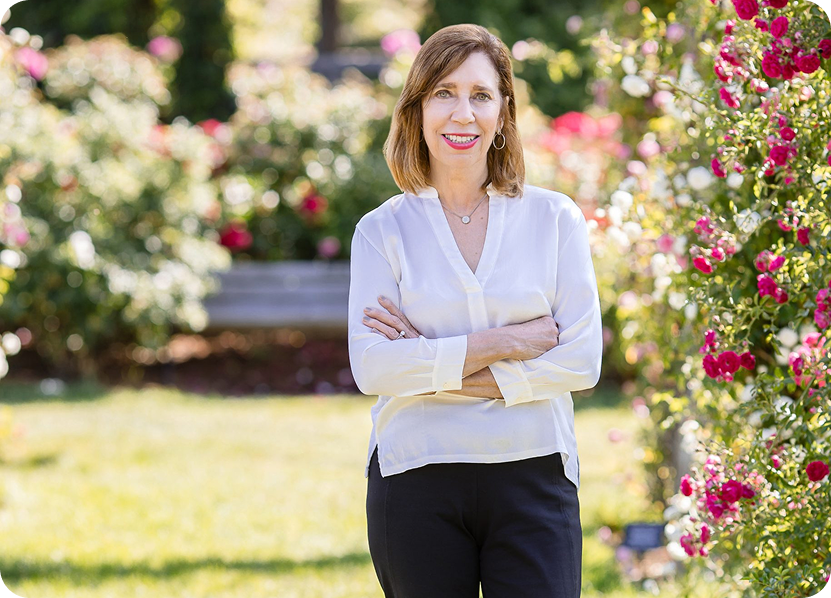
Work With UsI walked into Novella Publishers with shoeboxes full of memories and walked out with a television show. That sounds impossible, but it happened because this team understood what I was trying to say before I could articulate it myself. The ghostwriting phase taught me how real authors think about structure and character. The adaptation phase showed me how visual media tells stories differently. And when streaming executives started asking for changes, I had experts who could translate what they wanted without erasing what mattered to me. My grandmother’s journey, my mother’s struggles, my own questions about identity... all of it survived the process and got stronger. I can’t wait for people to see what we built together.
Real Stories. Real Results.
Explore how authors turned their ideas into impactful books with our publishing expertise and support.
Ready to Publish Your Book
with a Team That Treats It
as More Than a Project?
Let's turn your manuscript into a published success story. Our team is ready when you are.
Get Started